September Pet Wellness: In-Home Vet Tips for Dayton Families
September Pet Wellness: In-Home Vet Tips for Dayton Families
As September arrives in Dayton and the summer heat gives way to cooler days, many pet owners start thinking about fall routines, back-to-school changes, and how these shifts might affect their dogs and cats. You may wonder if your pet’s health could be impacted by the changing season, and how you can keep them comfortable and thriving as the leaves begin to change. At Healthier At Home Veterinary Care, we understand that every pet is unique, and in-home care can make a world of difference—especially during seasonal transitions. Our mobile veterinary team brings compassionate, convenient care right to your doorstep in Dayton and surrounding communities, so your pet can receive personalized attention without the stress of car rides or unfamiliar waiting rooms.
In this post, we will explore common September wellness concerns for pets, signs to watch for as the season shifts, and how our in-home veterinary services can help you keep your pet healthy. We will share practical tips for managing seasonal changes, discuss why fall wellness checks are important, and explain when to seek professional help. Whether your companion needs a routine checkup, updated vaccinations, or support for chronic health conditions, our mobile vet visits deliver all the benefits of a clinic—right in the comfort of your home. If you are looking for a truly stress-free approach to pet care, discover how Healthier At Home can make a difference this autumn.
Recognizing Fall Health Concerns in Your Pet
September brings subtle changes that can impact your pet’s wellbeing. Dogs and cats often react to shifts in temperature, daylight, and family schedules, sometimes in ways that are easy to miss. Key symptoms indicating your pet may need extra attention this fall include reduced energy, changes in appetite, increased scratching or shedding, sneezing or coughing, and new behavioral issues like anxiety or clinginess. You might also notice that your pet is reluctant to go outside as temperatures drop, or that they seem stiff after resting—signs which can be more pronounced in older pets or those with chronic health conditions.
Additionally, the start of the school year often means altered routines at home. Pets who are used to constant company during summer may experience separation anxiety when family members are away more often. Watch for signs such as excessive barking, destructive chewing, or house soiling. For cats, signs like hiding, vocalizing, or changes in litter box usage can signal stress. Identifying these shifts early allows you to address them promptly and keep your pet comfortable as the season changes.
Common Causes of Seasonal Changes in Pet Health
Understanding why your pet might experience health or behavior changes during September can help you respond effectively. Cooler temperatures can lead to increased joint stiffness, especially in older dogs and cats or those with arthritis. Shorter days may disrupt sleep cycles and energy levels. Environmental allergens like fall pollen, mold spores, or increased dust from heating systems can cause sneezing, watery eyes, or itchiness. Fleas and ticks may still be active, especially during warm spells, so ongoing prevention is important.
Diet and routine shifts are also common as families settle into fall schedules. Less time outdoors can lead to decreased physical activity, contributing to weight gain or boredom-related behaviors. Pets may become stressed by the change in household dynamics, leading to anxiety or even digestive upset. For those with chronic illnesses such as diabetes, kidney disease, or heart conditions, these seasonal changes can have a more noticeable impact, making regular wellness checks and monitoring especially valuable.
How In-Home Veterinary Care Supports Your Pet This Fall
One of the greatest advantages of in-home veterinary care during September is the ability to observe and address your pet’s health concerns in their own environment. Our veterinary team comes directly to your home, eliminating the stress and anxiety that many pets experience during traditional clinic visits. This is particularly helpful for pets with mobility issues, multiple-animal households, or those who become frightened by travel and unfamiliar settings.
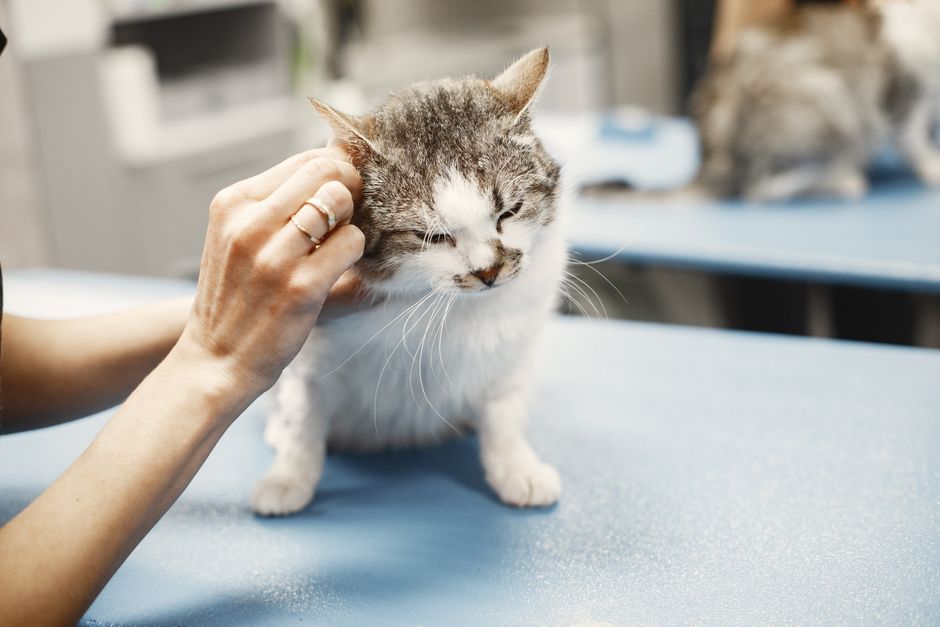
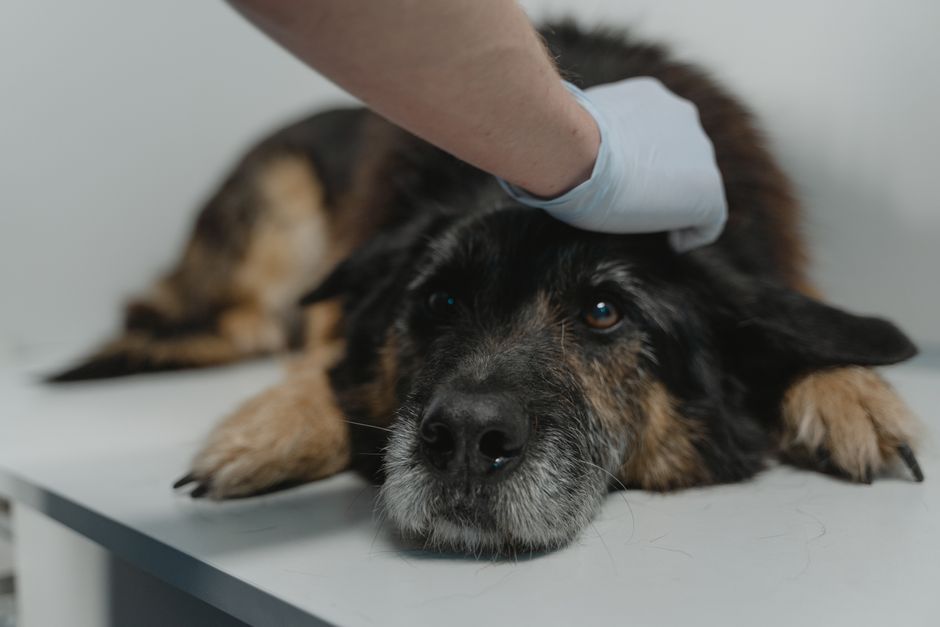
During an in-home visit, we can perform a comprehensive evaluation tailored to your pet’s needs. This includes a thorough physical examination, assessment of weight and body condition, and discussion of any changes you have noticed. Our team is experienced in providing comprehensive physical exams and will check for signs of joint discomfort, skin or coat issues, and other subtle indicators that may not be obvious in a clinic setting. We can update your pet’s vaccinations to protect against seasonal illnesses, and we offer diagnostic labwork right in your home if needed.
For pets with ongoing health concerns, our in-home approach allows us to monitor chronic conditions and adjust care plans as necessary. We provide chronic illness care with a focus on comfort and quality of life, working closely with you to ensure your companion’s unique needs are met. If you are dealing with behavior changes, our veterinary team also offers behavioral consults to help your pet adapt smoothly to fall routines.
Fall Prevention and Home Care Tips for Dogs and Cats
There are many steps you can take at home to help your pet stay healthy and comfortable as September unfolds. Begin by maintaining a consistent daily routine for feeding, walks, and playtime, which provides reassurance and structure. Monitor your pet’s weight and adjust their food if activity levels drop; indoor games and puzzle toys can help keep both dogs and cats mentally engaged when outdoor time is limited.
Regular grooming is important in the fall, since shedding often increases as pets adapt to cooler temperatures. Brushing your pet frequently removes loose fur and helps you spot any skin issues early. Continue flea and tick prevention as recommended by your veterinarian, since these parasites can remain active well into autumn. If your pet suffers from allergies, wiping their paws and coat after outdoor walks can reduce exposure to pollen or mold.
Older pets or those with joint issues may appreciate a cozy bed placed away from drafts, and gentle exercise to maintain flexibility. Watch for signs of discomfort after activity, such as limping or reluctance to move, and discuss any changes with your veterinary team. For pets showing signs of stress due to routine changes, consider interactive toys, gentle pheromone diffusers, or extra affection to help them adjust.
When to Schedule an In-Home Veterinary Visit
It can be difficult to know when a concern warrants professional attention, especially as your pet ages or if they have ongoing medical needs. You should reach out to your veterinary team if your pet experiences sudden changes in appetite or thirst, persistent vomiting or diarrhea, coughing, wheezing, lethargy, or any signs of pain such as limping or reluctance to be touched. Behavioral changes that last more than a few days, such as hiding, aggression, or anxiety, should also prompt a check-in.
September is a great time for a proactive wellness check, especially for older pets, newly adopted companions, or those with chronic illnesses. Comprehensive physical exams are an excellent way to catch potential issues early and tailor a care plan for the cooler months ahead. If you are concerned about chronic health conditions, our chronic illness care services are designed to help your pet feel their best at home.
Remember, in-home veterinary visits are not just for sick pets. Routine care such as vaccinations, wellness checks, and behavior consults can all be performed in the familiar surroundings of your home, reducing stress for both you and your pet. If you are ever unsure whether a symptom requires attention, our veterinary team is happy to offer guidance and support.
Why Dayton Families Choose In-Home Pet Care
Pets are family, and providing them with the best possible care sometimes means thinking beyond the traditional clinic setting. In-home veterinary care offers unique advantages for Dayton families, from increased comfort to reduced anxiety and the convenience of not having to load pets into the car or wait in busy lobbies. Our approach allows us to get to know your pet in their natural environment, leading to more accurate assessments and a truly personalized care plan.
Healthier At Home Veterinary Care is proud to serve Dayton and nearby communities with a compassionate, professional team that is committed to making veterinary care accessible and stress-free. Whether your pet is a nervous cat, a senior dog with mobility challenges, or a busy family's beloved companion, our mobile services can accommodate your needs and schedule. When searching for a mobile vet near me, choosing a team that comes directly to your home in Dayton ensures continuity of care, convenience, and peace of mind.
Take the Next Step: Schedule In-Home Pet Care This September
As the season changes, now is the perfect time to ensure your pet is healthy, happy, and ready for fall. Healthier At Home Veterinary Care brings experienced, compassionate care to your doorstep, making routine exams, wellness checks, vaccinations, and chronic illness support easier than ever. Our veterinary team is dedicated to supporting your pet’s wellbeing in the comfort of your home, so you can spend more time enjoying the season together.
If you have questions about your pet’s health or want to schedule an in-home visit, reach out to us today. Discover the benefits of mobile veterinary care in the comfort of your home or learn more about our comprehensive physical exams. For convenient, stress-free care from a trusted mobile vet near me, contact our Dayton team at (937) 300-0635 or visit us at our Dayton location. We look forward to helping your furry companions thrive this September and all year round.