Should You Choose an In-Home Vet for Senior Pets?
Should You Choose an In-Home Vet for Senior Pets?
Caring for a senior dog or cat brings unique joys and challenges, especially as your beloved companion enters their golden years. Many pet owners in Dayton and surrounding communities find themselves wondering if traditional clinic visits are still the best option for their aging pets. At Healthier At Home Veterinary Care, we specialize in bringing compassionate, professional veterinary care directly to your home, offering a convenient and stress-free alternative to the standard clinic experience. Our mobile veterinary team understands how important comfort and familiarity are—especially for senior pets who may struggle with mobility, anxiety, or chronic health conditions. In this blog, we’ll explore the benefits of choosing in-home veterinary services for senior pets, help you identify when this type of care may be most helpful, and explain how our house call veterinarians in Dayton can support your pet’s health and happiness every step of the way.
Recognizing When In-Home Veterinary Care Is Right for Your Senior Pet
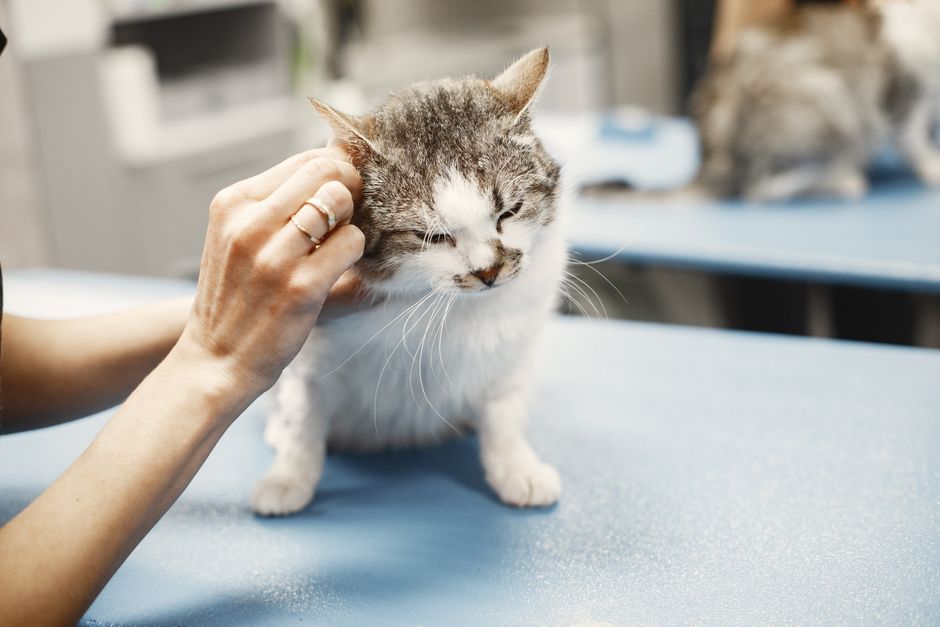
As pets age, their needs change, and so do the ways they experience veterinary visits. Senior dogs and cats often face mobility issues, chronic pain, or increased anxiety, making trips to the veterinary clinic more difficult than they once were. If you notice your pet hesitating to get into the carrier or car, becoming distressed in the waiting room, or showing signs of discomfort after a clinic visit, these may be signs that travel is becoming harder for them. Additionally, pets with arthritis, vision or hearing loss, or chronic illnesses may benefit from the gentle approach of in-home care. Owners with multiple pets, busy schedules, or concerns about exposing immunocompromised animals to other pets in a clinic setting may also find mobile veterinary visits especially helpful.
Indicators that your senior pet could benefit from in-home veterinary care include reluctance to move, pain or stiffness after activity, increased anxiety before or after appointments, or difficulty recovering from the stress of travel. If routine checkups, vaccinations, or chronic illness monitoring feel overwhelming for you or your pet, a home visit can offer a more relaxed experience for everyone involved.
Why Do Senior Pets Struggle with Traditional Clinic Visits?
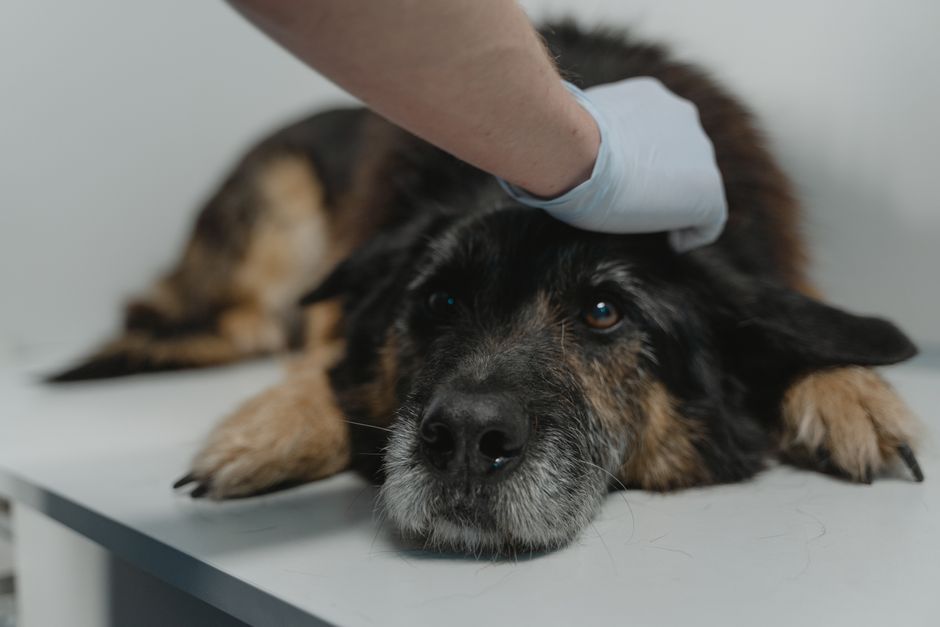
Senior pets experience a range of health and behavioral changes that can make clinic visits increasingly challenging as they age. Common issues include decreased mobility due to joint disease or arthritis, which can make getting in and out of the car or navigating slippery clinic floors uncomfortable or even painful. Anxiety may become more pronounced, with unfamiliar sights, sounds, and smells in the clinic environment triggering stress responses. For some pets, cognitive changes associated with aging, such as disorientation or confusion, can heighten their discomfort in new places.
Chronic health conditions, such as heart disease, kidney disease, or diabetes, require regular monitoring and sometimes frequent veterinary visits. For these pets, repeated trips to the clinic can be exhausting, both physically and emotionally. Owners of large dogs, cats who dislike carriers, or pets with compromised immune systems may find that the logistics of traditional appointments add unnecessary difficulty to an already delicate situation.
In-home veterinary care offers a solution by minimizing these stressors. By examining your pet in their familiar environment, veterinarians can observe more natural behavior, get a clearer picture of your pet’s daily health, and reduce the anxiety that often accompanies travel and clinic visits.
How In-Home Veterinary Care Benefits Senior Pets
Choosing an in-home vet for your senior dog or cat delivers a host of advantages tailored to their unique needs. One of the most significant benefits is reduced stress—for both pets and their owners. Pets remain in their comfort zone, surrounded by familiar sights and smells, which can help them stay calm throughout the visit. This relaxed atmosphere often leads to more accurate assessments, as your veterinarian can observe your pet’s natural movements, behaviors, and interactions with their environment.
In-home care is particularly useful for pets with mobility issues or multiple chronic conditions. The veterinarian can easily perform a comprehensive physical exam, administer vaccinations, collect samples for diagnostic labwork, and offer guidance on managing chronic diseases—all without your pet ever having to leave the house. For owners of multiple pets, scheduling a single home visit can make routine care much more manageable.
Personalized attention is another hallmark of in-home veterinary care. The veterinarian can spend more one-on-one time with your pet, answer your questions in detail, and tailor recommendations to your pet’s specific needs and home environment. This approach is especially valuable when discussing pain management, dietary adjustments, or changes to your pet’s daily routine that can support their comfort and well-being in their senior years.
Managing Chronic Illness and Preventive Care at Home
Senior pets often require ongoing management for chronic health conditions such as arthritis, thyroid disease, kidney disease, or diabetes. Regular monitoring and timely adjustments to treatment plans are crucial for maintaining quality of life. In-home veterinary care makes this process far more convenient, allowing the veterinarian to evaluate changes in your pet’s health within the context of their daily environment and routines.
During a home visit, the veterinary team can provide chronic illness care, review medications, and conduct necessary tests, such as bloodwork, to track your pet’s progress. They can also assess your home for potential hazards—like slippery floors, stairs, or obstacles—that might impact mobility or safety. Simple recommendations, such as adding ramps or adjusting feeding stations, can go a long way in making your pet’s golden years more comfortable.
Preventive care remains just as important for senior pets as it is for younger animals. Routine vaccinations, dental evaluations, parasite prevention, and wellness checks help catch emerging issues early, when they are easier to manage. By choosing in-home veterinary care, you make it easier to keep up with these essential services without adding stress to your pet’s life.
End-of-Life Care in the Comfort of Home
One of the most compassionate aspects of in-home veterinary care is the ability to support pets and their families during end-of-life decisions. When the time comes to discuss quality of life or hospice options, having your veterinary team present in your home allows for private, unhurried conversations. The focus remains on your pet’s comfort, dignity, and the emotional needs of your family.
Gentle end-of-life care, including palliative support and euthanasia if needed, can be provided in a familiar setting. This approach reduces fear and anxiety for your pet and allows you to say goodbye in the most peaceful way possible, surrounded by love and reassurance. The continuity of care offered by a mobile veterinary service helps ensure that your senior pet’s final chapter is handled with compassion and respect.
Tips for Supporting Your Senior Pet’s Health at Home
While in-home veterinary care provides essential medical support, there are many things you can do between visits to enhance your senior pet’s comfort and wellbeing. Make sure your home is safe and accessible, with non-slip rugs, ramps for stairs or furniture, and easily accessible water and food dishes. Monitor your pet’s weight, appetite, and activity level, and keep a journal of any changes you notice in their behavior, mobility, or bathroom habits.
Engage your pet in gentle exercise suited to their abilities, such as short walks for dogs or interactive play sessions for cats. Maintain a consistent daily routine to help minimize anxiety. Provide soft, supportive bedding in a quiet area of your home where your pet can rest undisturbed. Regularly check your pet’s nails, teeth, and coat, and reach out to your veterinary team if you notice anything unusual.
Communication is key—share any concerns or observations with your veterinarian during home visits, as even small changes can be important indicators of health in senior pets.
When to Seek Veterinary Care for Your Senior Pet
Knowing when to reach out for veterinary help is crucial, especially with older pets who may try to hide signs of illness. You should contact your veterinarian if you notice sudden changes in appetite, drinking habits, weight, or energy levels. Other warning signs include difficulty breathing, persistent coughing, vomiting or diarrhea lasting more than a day, unexplained lumps or bumps, pain, or changes in mobility.
For chronic conditions, watch for increased pain, confusion, incontinence, or signs that your pet is no longer enjoying their usual activities. In-home veterinary care is ideal for addressing these concerns promptly, as it enables timely evaluations and adjustments to your pet’s care plan without the stress of travel.
If you are unsure whether your pet’s symptoms require urgent attention, or if you have questions about their comfort or quality of life, our veterinary professionals at Healthier At Home are always here to provide guidance and support.
Is an In-Home Vet Right for Your Senior Pet? Making the Choice in Dayton
Deciding whether in-home veterinary care is best for your senior pet depends on their individual needs, your lifestyle, and your desire to make every veterinary interaction as stress-free as possible. Pets who become anxious during travel or clinic visits, those with mobility or chronic health issues, and families looking for a more personalized health care experience all stand to benefit from mobile veterinary services.
At Healthier At Home Veterinary Care, our licensed veterinarians are committed to delivering comprehensive, compassionate care in the comfort of your home. Whether your pet needs a routine comprehensive physical exam, ongoing management of chronic illness, or gentle end-of-life support, we come to you—serving Dayton and surrounding communities with dedication and empathy.
If you have been searching for a mobile vet near me who understands the needs of senior dogs and cats, look no further. To schedule an in-home visit or learn more about our services, contact our veterinary team at (937) 300-0635 or visit us online. Choosing in-home care means giving your pet the comfort and attention they deserve during every stage of life.
Disclaimer: The information provided in this blog is for educational purposes only and does not replace professional veterinary advice. If your pet is experiencing a medical emergency or you are concerned about their health, please contact a licensed veterinarian immediately.